Friday, September 30, 2016

Friday 9/30

Lakeview Bulletin


Learning Goal (What will we know): I can describe the structure and function of the main cell organelles, and can explain the differences between plant and animal cells.

Relevance (Why do we need to know this?): We need to know the basic characteristics of cells to understand how our body systems work.

Success Criteria (What will we do to show that we have reached our learning goal?): 
  • Read the "Eukaryotic Cells" section in the interactive reader
  • Complete the Google Classroom Assignment: "Organelles Structure and Function"


Agenda

1. Kahoot Microscopes


2. Microscopes Quiz


3. Eggsperiment: Observations and discussion. Add your observations and conclusions/reflection to your blog. (5 min)


Wednesday, September 28, 2016

Thursday 9/29

Lakeview Bulletin


Learning Goal (What will we know): I can describe the two types of cells (prokaryotes and eukaryotes) and the main characteristics of cells.

Relevance (Why do we need to know this?): We need to know the basic characteristics of cells to understand how our body systems work.

Success Criteria (What will we do to show that we have reached our learning goal?): 
  • Read "The Characteristics of Cells" section in the interactive reader
  • Complete the notes matrix for the reading section
  • Pass the EdPuzzle Quiz with at least 8 correct answers


Agenda

1. Warm Up: Quizlet Microscopes (10 min)

  • Take the Test
  • Make a list of the words you missed, did you miss fewer than yesterday?
  • Study just those words
  • We will have a quiz Tomorrow (Friday)

2. Plant Cell Drawing: (10 min)

Include and label the following parts:
  • Cell Wall
  • Cell Membrane (Plasma Membrane)
  • Nucleus
  • Mitochondria
  • Cytoplasm
  • Chloroplast
  • Large Central Vacuole

3. Cell Structures and Functions (20 min)

  • Cell Membrane video
  • Read pp. 12-13 of the interactive reader.
  • Go to Google Classroom and open the "Organelles Structure and Function" Assignment, fill in the table for the "Cell Wall" and the "Cell Membrane"

Wednesday 9/28

Lakeview Bulletin


Learning Goal (What will we know): I can describe the two types of cells (prokaryotes and eukaryotes) and the main characteristics of cells.

Relevance (Why do we need to know this?): We need to know the basic characteristics of cells to understand how our body systems work.

Success Criteria (What will we do to show that we have reached our learning goal?): 
  • Read "The Characteristics of Cells" section in the interactive reader
  • Complete the notes matrix for the reading section
  • Pass the EdPuzzle Quiz with at least 8 correct answers


Agenda

1. Warm Up: Quizlet Microscopes

  • Take the Test
  • Make a list of the words you missed, did you miss fewer than yesterday?
  • Study just those words
  • We will have a quiz on Friday

2. Eggsperiment

  1. Carefully take your egg out of the beaker without breaking it. What happened to the shell? How does the egg look and feel? Write the heading "Day 3 Observations" in your blog and add an entry that includes answers to the questions above.
  2. Carefully rinse the beaker and egg to remove any remaining eggshell pieces.
  3. Tables 1, 3 and 5: Cover your egg with sugar water.
  4. Tables 2, 4 and 6: Cover your egg with colored water.
  5. Make a hypothesis of what you think might happen to eggs in corn syrup and eggs in colored water. Add your hypothesis to your blog.


Monday, September 26, 2016

Tuesday 9/27

Lakeview Bulletin


Learning Goal (What will we know): I can describe the two types of cells (prokaryotes and eukaryotes) and the main characteristics of cells.

Relevance (Why do we need to know this?): We need to know the basic characteristics of cells to understand how our body systems work.

Success Criteria (What will we do to show that we have reached our learning goal?): 
  • Read "The Characteristics of Cells" section in the interactive reader
  • Complete the notes matrix for the reading section
  • Pass the EdPuzzle Quiz with at least 8 correct answers


Agenda

1. Warm Up: Quizlet Microscopes

  • Take the Test
  • Make a list of the words you missed, did you miss fewer than yesterday?
  • Study just those words
  • We will have a quiz on Friday


2. Question of the Day: What type of cell are plant and animal cells? (eukaryotic or prokaryotic) How do you know?

3. Animal Cell Diagram (in your notebook)


Image result for animal cell labeled

4. Day 2 of Eggsperiment

Day 2 Observations: (write a description of what it looks like)

  • Add a picture of your egg

Sunday, September 25, 2016

Monday 9/26


Lakeview Bulletin


Learning Goal (What will we know): I can describe the two types of cells (prokaryotes and eukaryotes) and the main characteristics of cells.

Relevance (Why do we need to know this?): We need to know the basic characteristics of cells to understand how our body systems work.

Success Criteria (What will we do to show that we have reached our learning goal?): 
  • Read "The Characteristics of Cells" section in the interactive reader
  • Complete the notes matrix for the reading section
  • Pass the EdPuzzle Quiz with at least 8 correct answers


Agenda

1. Warm Up: Quizlet Microscopes

  • Take the Test
  • Make a list of the words you missed
  • Study just those words
  • We will have a quiz on Friday


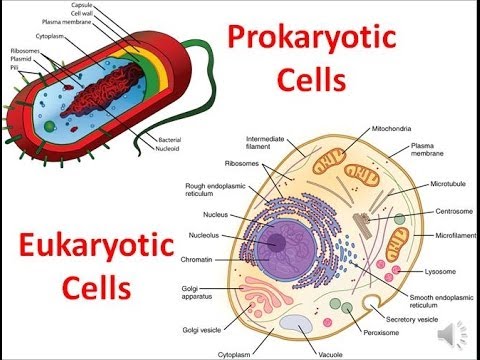
2. Draw a venn diagram describing the cell types in your science notebook


.Image result for prokaryotes eukaryotes graphic organizer worksheet


3. Watch the EdPuzzle "Prokaryotes and Eukaryotes" video and pass the quiz with at least 8 correct answers

3. Start Eggsperiment


Friday, September 23, 2016

Friday 9/23

Lakeview Bulletin


Learning Goal (What will we know): I can describe the two types of cells (prokaryotes and eukaryotes) and the main characteristics of cells.

Relevance (Why do we need to know this?): We need to know the basic characteristics of cells to understand how our body systems work.

Success Criteria (What will we do to show that we have reached our learning goal?): 
  • Read "The Characteristics of Cells" section in the interactive reader
  • Complete the notes matrix for the reading section
  • Pass the EdPuzzle Quiz with at least 8 correct answers

Agenda

1. Warm Up: Mystery Pics


2. Read Interactive Reader pp. 9-11


3. Complete Notes Matrix and glue it into your notebook


4. Watch the EdPuzzle "Prokaryotes and Eukaryotes" video and pass the quiz with at least 8 correct answers.


Wednesday, September 21, 2016

Thursday 9/22

Lakeview Bulletin


Learning Goal (What will we know): I can describe the two types of cells (prokaryotes and eukaryotes) and the main characteristics of cells.

Relevance (Why do we need to know this?): We need to know the basic characteristics of cells to understand how our body systems work.

Success Criteria (What will we do to show that we have reached our learning goal?): 
  • Read "The Characteristics of Cells" section in the interactive reader
  • Complete the notes matrix for the reading section
  • Pass the EdPuzzle Quiz with at least 8 correct answers


Agenda

1. Warm Up: Microscopes Quizlet


2. Read Interactive Reader pp. 9-11


3. Complete Notes Matrix and glue it into your notebook


4. Watch the EdPuzzle "Prokaryotes and Eukaryotes" video and pass the quiz with at least 8 correct answers.


Monday, September 19, 2016

Wednesday 9/21

Lakeview Bulletin


Learning Goal (What will we know): I can use a microscope.

Relevance (Why do we need to know this?): We need to know how to use a microscope correctly to look at cells.

Success Criteria (What will we do to show that we have reached our learning goal?): 
  • Pass the EdPuzzle quiz
  • Draw an accurate, labeled diagram of a microscope in your science notebook.
  • Complete the Letter "e" Microscope Lab
  • Be able to pass a quiz on how to carry and use a microscope, and know the correct terms for all the parts of the microscope.


Agenda

  • Kahoot: Characteristics of Organisms, Microscopes

Tuesday 9/20

Lakeview Bulletin


Bill Nye Cells and Notes

Sunday, September 18, 2016

Monday 9/19

Lakeview Bulletin


Learning Goal (What will we know): I can use a microscope.

Relevance (Why do we need to know this?): We need to know how to use a microscope correctly to look at cells.

Success Criteria (What will we do to show that we have reached our learning goal?): 
  • Pass the EdPuzzle quiz
  • Draw an accurate, labeled diagram of a microscope in your science notebook.
  • Be able to pass a quiz on how to carry and use a microscope, and know the correct terms for all the parts of the microscope.


Agenda

Task 1. Warm-Up Quizlet: Microscopes (10 minutes)


Task 2. Make sure you have finished the two EdPuzzle videos:

  • "Microscopes" video.
  • "Introduction to Microscopes" video and answer the quiz questions. 


Task 3. On the next blank page of your science notebook, write the heading "Compound Light Microscope" and draw a diagram of a compound light microscope (like the one in the second video) and label all the parts.


Extension: If you finish everything above, spend some time exploring the Scale of the Universe interactive. Drag the circle on the bottom to view objects of different sizes. (Objects get smaller as you go from left to right)Extra Credit Opportunity!!


Thursday, September 15, 2016

Friday 9/16

Learning Goal (What will we know): I can use a microscope.

Relevance (Why do we need to know this?): We need to know how to use a microscope correctly to look at cells.

Success Criteria (What will we do to show that we have reached our learning goal?): 
  • Pass the EdPuzzle quiz
  • Draw an accurate, labeled diagram of a microscope in your science notebook.
  • Be able to pass a quiz on how to carry and use a microscope, and know the correct terms for all the parts of the microscope.


Agenda

Task 1. Warm-Up Quizlet: Microscopes (10-15 minutes)


Task 2. Go to EdPuzzle and watch two videos:

  • "Microscopes" video.
  • "Introduction to Microscopes" video and answer the quiz questions. 


Task 3. On the next blank page of your science notebook, write the heading "Compound Light Microscope" and draw a diagram of a compound light microscope (like the one in the second video) and label all the parts.


Extension: If you finish everything above, spend some time exploring the Scale of the Universe interactive. Drag the circle on the bottom to view objects of different sizes. (Objects get smaller as you go from left to right)Extra Credit Opportunity!!


Thursday 9/15

Get some extra credit for attending this event!!


Learning Goal (What will we know): I can explain the seven characteristics of living things.

Relevance (Why do we need to know this?): We need to understand the characteristics of living things as a background to learning about living systems.

Success Criteria (What will we do to show that we have reached our learning goal?): 
  • Complete the notes from the presentation
  • Complete the characteristics of living things poster project
  • Be able to describe the characteristics of living things.


Agenda


Task 1: Finish Poster Project

  • Each of the six sections on the poster will describe one of the characteristics of living things
  • Use words and pictures to explain the characteristic
  • Words must be easy to read (bold/dark color)
  • Pictures must be simple and colorful

Online resources you can use to help you with your poster:


National Geographic Kids animals


Task 2: Go to EdPuzzle and watch the "Microscopes" video


Task 3: Start learning the Quizlet Microscopes 


Wednesday, September 14, 2016

Wednesday 9/14

Learning Goal (What will we know): I can explain the seven characteristics of living things.

Relevance (Why do we need to know this?): We need to understand the characteristics of living things as a background to learning about living systems.

Success Criteria (What will we do to show that we have reached our learning goal?): 
  • Complete the notes from the presentation
  • Complete the characteristics of living things poster project
  • Be able to describe the characteristics of living things.


Agenda


Task 1: Start Poster Project

  • Each of the six sections on the poster will describe one of the characteristics of living things
  • Use words and pictures to explain the characteristic
  • Words must be easy to read (bold/dark color)
  • Pictures must be simple and colorful

Online resources you can use to help you with your poster:


Get some extra credit for attending this event!!

Tuesday, September 13, 2016

Tuesday 9/13

Learning Goal (What will we know): I can explain the seven characteristics of living things.

Relevance (Why do we need to know this?): We need to understand the characteristics of living things as a background to learning about living systems.

Success Criteria (What will we do to show that we have reached our learning goal?): 
  • Complete the notes from the presentation
  • Complete the characteristics of living things poster project
  • Be able to describe the characteristics of living things.


Agenda


Task 1.  Glue Compare/Contrast Matrix into you science notebook on the next blank page.


Task 2: Notes

Task 3: Start Poster Project


Task 4: Kahoot review quiz game


Sunday, September 11, 2016

Monday 9/12

Learning Goal (What will we know): I can explain the seven characteristics of living things.

Relevance (Why do we need to know this?): We need to understand the characteristics of living things as a background to learning about living systems.

Success Criteria (What will we do to show that we have reached our learning goal?): 
  • Complete the notes from the presentation
  • Complete the characteristics of living things poster project
  • Be able to describe the characteristics of living things.

Agenda


1. Warm-Up: Kahoot review quiz game


2. Characteristics of Living Things: How do you know if something is living or non-living?

  • Finish Numbered Heads reading and worksheet

Ticket out: Completed worksheet


Thursday, September 8, 2016

Friday 9/9

Lakeview Bulletin


Learning Goal (What will we know): I can explain the seven characteristics of living things.

Relevance (Why do we need to know this?): We need to understand the characteristics of living things as a background to learning about living systems.

Success Criteria (What will we do to show that we have reached our learning goal?): 
  • Complete the notes from the presentation
  • Complete the characteristics of living things poster project
  • Be able to describe the characteristics of living things.

Agenda


1. Question of the Day: Describe an example of how an organism maintains homeostasis.


2. Characteristics of Living Things: How do you know if something is living or non-living?

  • Numbered Heads reading

Wednesday, September 7, 2016

Thursday 9/7


Lakeview Bulletin


Learning Goal (What will we know): I can explain the seven characteristics of living things.

Relevance (Why do we need to know this?): We need to understand the characteristics of living things as a background to learning about living systems.

Success Criteria (What will we do to show that we have reached our learning goal?): 
  • Complete the notes from the presentation
  • Complete the characteristics of living things poster project
  • Be able to describe the characteristics of living things.


Agenda


1. Questions of the Day (in your science notebook)

  • Write a sentence that uses the word stimuli (or stimulus). 
  • Describe an example of how an organism maintains homeostasis.


2. Characteristics of Living Things: How do you know if something is living or non-living?

  • Numbered Heads reading


Tuesday, September 6, 2016

Wednesday 9/7

Lakeview Bulletin


Learning Goal (What will we know): I can explain the seven characteristics of living things.

Relevance (Why do we need to know this?): We need to understand the characteristics of living things as a background to learning about living systems.

Success Criteria (What will we do to show that we have reached our learning goal?): 
  • Be able to describe the characteristics of living things.


Agenda


Task 1: Warm-Up: Dead or Alive?


Task 2: Characteristics of Living Things: How do you know if something is living or non-living?

  • PowerPoint/Notes (science notebook)

Sunday, September 4, 2016

Tuesday 9/6

Learning Goal (What will we know): I understand how biotic factors (living things) interact with, and depend on, abiotic factors (non-living parts) in an ecosystem.

Relevance (Why do we need to know this?): We are biotic factors in our environment and we depend on abiotic factors for survival.

Success Criteria (What will we do to show that we have reached our learning goal?): 
  • Be able to explain and give examples of qualitative and quantitative observations/data.
  • Complete the mini field investigation and data sheet.
  • Be able to explain and give examples of biotic and abiotic factors in an ecosystem.
  • Be able to explain how organisms (part of the biosphere) interact with the other spheres.


Agenda


Task 1: Schoolyard Quadrat Investigation

  • Fold and glue into science notebook as a "flippy"

Task 2: Newsela Biosphere Quiz paragraph discussion. Below are some examples of paragraphs. What do you think is good about each paragraph? Did they answer the questions well?


Example 1
The word biosphere was first used by American -Australian geologist Edward suess.  The word bio means life and sphere refers to the round earth so biosphere means life on earth.  Suess used a plant to explain the biosphere because the plant used the roots to feed itself and it came up up for air and their are two spheres that the plant used that the biosphere uses they are the atmosphere and the geosphere.  The biosphere is like home to all living things on our planet.  On the other hand ecosystems can be different from others because of their location, climate, soils and terrain.  Three thing that every organism needs are resources, energy, and to reproduce.     

Example 2
  • What is the biosphere?
           It’s a sphere that completes earth.
  • How did Suess use a plant to explain how all life on Earth is connected?
           Suess uses the plant because it’s a living thing.
  • How can ecosystems be different from each other?
          Some could be drier others could be more soaked
  • What are three things mentioned in the last paragraph of the article that every organism needs to survive?
           Every animal fights for resources and energy.Also they have to reproduce in their environment.

The word biosphere comes from a man named Eduard Suess. A Biosphere is part of a group that makes the whole Earth. Suess explained the Biosphere with a plant. Suess explained Biosphere with a plant because the Biosphere is made out of living things. Some ecosystems are different from each other because each ecosystem has it’s own different climate and different animals. Finally,every animal needs to do three things to survive,they need to fight for resources, energy, and they need to reproduce in their environment.

Example 3
The word biosphere comes from the word bio which means life and the word sphere refers to round earth. The biosphere is all the life on earth like plants,and animals.Suess used a plant as an example of life interacting in the middle of the upper sphere and the lithosphere.The plant gets nutrition through the roots and at the same time the plant is rising up to breath.Ecosystems can be different from each other because animals live in different places which don't have the same features .For instance the ocean is an ecosystem and then there's the desert. As you can tell those are very different from each other. One doesn't have water and the other ecosystem is the water. Ecosystems can even count as a cave , coral reefs, a tree ,and more. Each and every organism has there own  way of living. All living organisms must fight for energy and resources.They must all produce within their own environment.    


Task 2: Characteristics of Living Things: How do you know if something is living or non-living?

  • PowerPoint/Notes (science notebook)

Thursday, September 1, 2016

Thursday/Friday 9/1-9/2

Learning Goal (What will we know): I understand that biotic factors (living things) interact with, and depend on, abiotic factors (non-living parts) in an ecosystem.

Relevance (Why do we need to know this?): We are biotic factors in our environment and we depend on abiotic factors for survival.

Success Criteria (What will we do to show that we have reached our learning goal?): 
  • Be able to explain and give examples of qualitative and quantitative observations/data.
  • Complete the mini field investigation and data sheet.
  • Be able to explain and give examples of biotic and abiotic factors in an ecosystem.

Agenda


Task 1: Question of the Day: Scientists make different types of observations: qualitative and quantitative. What do these words mean? (look them up if you need to) What are some examples of qualitative and quantitative observations?


Task 2: Quadrat Investigation

  • Data sheet should be completed in the field (outside)

Task 3: Ticket Out: Discuss your observations with your table group. Describe the ways that the biotic and abiotic components in your study area are connected. I will call on at least one student from each group to share with the class.